- Home
- Products +
- Industries +
- About Us +
- News
- Contact Us



- Home
- Products
- Industries
- About Us
- News
- Contact Us

Aug. 11, 2026
Quick Answers
| Question | Short Answer |
| What is the difference between JS and K11? | JS = polymer cement waterproof coating (GB/T 23445), more flexible, for floors. K11 = polymer cement waterproof slurry (JC/T 2090), semi-rigid, for walls |
| Which waterproofing for bathroom/toilet? | Floor: JS Type II. Wall: K11 Type I or polymer waterproof mortar (JC/T 984) |
| Can I tile over waterproofing? | Depends on type. Rigid (JC/T 984, K11 Type I): yes directly. JS-II (flexible, >200% elongation): need a 3-5 mm screed layer first |
| What is CCCW and when to use it? | Cementitious capillary crystalline waterproofing (GB 18445). For concrete basements and water tanks. Penetrates and self-heals 0.4 mm cracks |
| What is the difference between rigid and flexible waterproofing? | Rigid = high strength, no elongation, bonds well to tile. Flexible = low strength, high elongation, cracks will not propagate |
| How thick should the waterproofing layer be? | JS: 1.5-2.0 mm total, 2-3 coats. Polymer mortar: 5-8 mm. CCCW: slurry coat, 1.0-1.5 kg/m² |
| Why do tiles fall off waterproofing membranes? | Flexible membranes deform under tile weight. Solution: C2 adhesive minimum, or a 3-5 mm cement screed between membrane and tile |
1. Waterproofing Classification: Four Systems Under Four Standards
The Chinese market uses four national/industry standards to define waterproofing products. Each standard defines a different material system with different properties and applications.
| System | Standard | Material Type | Flexibility | Bond to Tile |
| Polymer waterproof mortar | JC/T 984-2011 | Dry powder, single-component | Rigid (compressive ≥18 MPa) | Excellent |
| Polymer waterproof slurry (K11) | JC/T 2090-2011 | Two-component (powder + liquid) | Type I semi-rigid, Type II flexible | Type I: Good, Type II: Moderate |
| JS waterproof coating | GB/T 23445-2009 | Two-component (powder + liquid) | Type I/II/III — flexible to highly flexible | Type II/III: Requires screed |
| CCCW (capillary crystalline) | GB 18445-2012 | Dry powder, single-component | Rigid, penetrates concrete | Good on concrete |
The Rigid-to-Flexible Spectrum
| Rigid Flexible | |||||
JC/T 984 (mortar | K11-I (wall | K11-II (wall | JS-I (floor) | JS-I (floor) | JS-III (special) |
| Can tile directly | Need C2 adhesive | Need screed + C2 | |||
The rule: Rigid waterproofing bonds well to tiles but cracks under structural movement. Flexible waterproofing absorbs movement but is a poor substrate for tiles. The choice depends on whether you are waterproofing a wall (tiles on top) or a floor (no tiles, or tiles with special preparation).
2. Polymer Waterproof Mortar (JC/T 984)
What Is It?
A single-component dry powder mortar. Mixed with water, applied at 5-8 mm thickness. The most rigid waterproofing system — compressive strength ≥18 MPa, but near-zero elongation.
Why Use It?
This is the standard waterproofing for tiled walls — bathrooms, kitchens, balconies. Because it is cement-based and rigid, tile adhesive bonds to it almost as well as to bare concrete. No screed layer needed.
Formulation
| Component | Dosage (kg/t) | Function |
| Cement 42.5 | 300-400 | Binder |
| Sand 70-140 mesh | 500-600 | Aggregate |
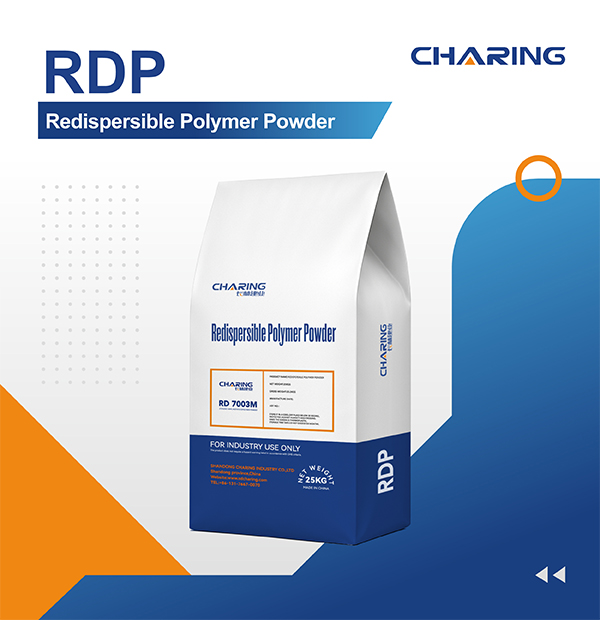
| RDP (RD 8080F or RD W8050) | 15-30 | Flexibility + water resistance |
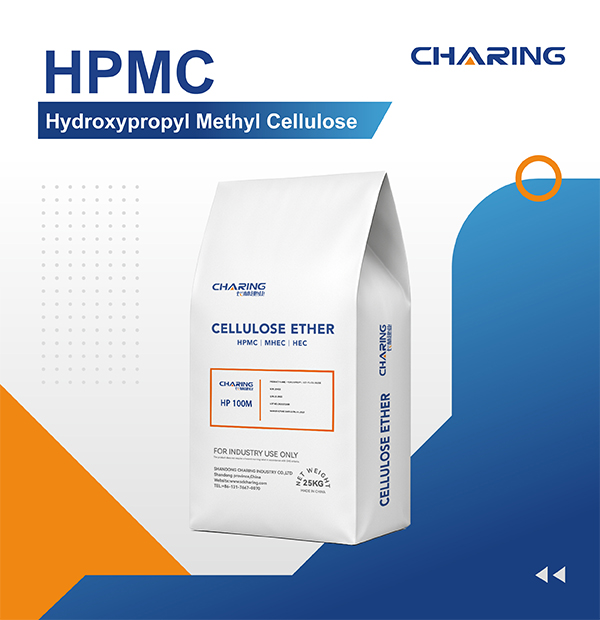
| HPMC (HP 60M) | 2.0-3.0 | Water retention |
| Hydrophobic Agent S500 | 2-5 | Water repellency |
| Defoamer D802 | 0.5-1.5 | Surface quality |
| PP fiber (3 mm) | 1-2 | Crack resistance |
Water: 16-18%
Key Properties
Compressive strength: ≥18 MPa (28 d)
Tensile bond strength: ≥0.8 MPa
Water absorption: ≤6%
No transverse deformation requirement
3. K11 Polymer Waterproof Slurry (JC/T 2090)
What Is It?
A two-component system — powder (cement + sand + additives) mixed with liquid polymer emulsion on site. "K11" was originally a trade name from Davco (德高), but is now used generically across the industry for JC/T 2090 products.
Type I vs Type II
| Property | Type I | Type II |
| Coating flexibility | Semi-rigid | Flexible |
| Transverse deformation | ≥2.0 mm | — |
| Elongation | — | ≥30% |
| Best use | Wall waterproofing | Floor waterproofing |
| Tiling on top | Directly tileable | Use C2 adhesive, or add screed |
When to Choose K11 over JC/T 984 Mortar
K11 Type I is comparable to JC/T 984 mortar for wall applications. The difference: K11 uses on-site polymer emulsion mixing, which gives slightly better crack-bridging. JC/T 984 is a dry powder — simpler logistics, no liquid component to transport. Formulators choose based on their distribution model and customer preference.
4. JS Waterproof Coating (GB/T 23445)
What Is It?
The most flexible cement-based waterproofing. Two-component: powder (cement + filler) + liquid (polymer emulsion, typically styrene-acrylic or VAE). Applied at 1.5-2.0 mm in 2-3 cross-direction coats.
Type I, II, III — Key Differences
| Property | Type I | Type II | Type III |
| Tensile strength | ≥1.2 MPa | ≥1.8 MPa | ≥1.8 MPa |
| Elongation at break | ≥200% | ≥80% | ≥30% |
| Water resistance | Moderate | Good | Good |
| Best use | Roofs (not long-term submerged) | Bathroom floors, balconies | Walls (higher bond to tile) |
Important: JS-II with 80% elongation is already soft enough that tiles may debond if applied directly. JS-I with 200% elongation is never directly tileable — the membrane deforms under tile weight and thermal movement.
Why Tiles Fail on JS Waterproofing
When flexible waterproofing is applied to a wall and tiles are bonded on top with standard C1 adhesive, three problems occur:
1.The membrane deforms. A 200%-elongation JS-I coating stretches under the tile's weight, creating shear stress at the tile-adhesive interface.
2.The adhesive cannot follow. C1 tile adhesive is semi-rigid. When the substrate flexes 1-2 mm, the adhesive cracks.
3.Water accumulates. Once the adhesive cracks, water enters and the failure accelerates.
The fix: For JS-II or more flexible membranes, apply a 3-5 mm cement mortar screed layer between the waterproofing and the tile adhesive. This creates a rigid, dimensionally stable bridge layer. Alternatively, use C2S1 adhesive with RD 8080F at 30-40 kg/t — this provides enough flexibility to accommodate minor membrane movement.
5. CCCW — Cementitious Capillary Crystalline Waterproofing (GB 18445)
What Is It?
A dry powder containing Portland cement, quartz sand, and active chemicals. When mixed with water and applied to concrete, the active chemicals penetrate into capillary pores and react with calcium hydroxide to form insoluble crystalline complexes. These crystals physically block water passage.
When to Use CCCW
Basement waterproofing (interior/negative side)
Concrete water tanks and reservoirs
Tunnel and underground structure waterproofing
Concrete repair where surface coating is impractical
When NOT to Use CCCW
On brick or block walls — CCCW requires concrete as the substrate
On flexible substrates — it is rigid and will crack
For crack widths >0.4 mm — needs epoxy injection first
On bathroom walls — overkill, use JC/T 984 or K11
The Self-Healing Mechanism
CCCW's defining feature: when a new crack forms (up to 0.4 mm), water entering the crack reactivates the dormant chemicals, triggering new crystal growth that seals the crack. This is why CCCW is specified for structures where access for repair is impossible — it repairs itself.
6. How to Choose Waterproofing by Location
| Location | Recommended System | Why |
| Bathroom wall (tiled) | JC/T 984 or K11 Type I | Rigid, bonds to tile adhesive |
| Bathroom floor (tiled) | JS Type II or K11 Type II | Floor needs more flexibility, use C2 adhesive |
| Balcony wall | JC/T 984 | Same as bathroom wall |
| Balcony floor | JS Type II | Thermal movement from sun exposure |
| Kitchen wall | K11 Type I | Semi-rigid, cost-effective |
| Kitchen floor | JS Type II | Spill protection |
| Roof / terrace | JS Type I (200% elongation) | Maximum flexibility for thermal cycling |
| Basement interior wall | CCCW (GB 18445) | Negative-side waterproofing, self-healing |
| Concrete water tank | CCCW | Penetrating crystalline, potable water safe |
| Swimming pool | JS-II or polyurethane | Flexible, continuous membrane |
| Exterior wall (rendered) | JC/T 984 | Rigid base for render |
| Wet room floor | JS-II + C2S1 tile adhesive | Flexible membrane + flexible adhesive |
7. Tile Adhesive Selection over Waterproofing
This is the most common failure point in waterproofing systems. The table below maps waterproofing type to required tile adhesive grade.
| Waterproofing | Adhesive Grade | RDP Recommendation | Notes |
| JC/T 984 mortar | C1 or C2 | RD 7015H or RD 8080F | Bonds directly. C1 for ceramic, C2 for porcelain |
| K11 Type I (semi-rigid) | C1 or C2 | RD 7015H or RD 8080F | Bonds directly, similar to mortar |
| K11 Type II (flexible) | C2 minimum | RD 8080F (30-40 kg/t) | Risk of membrane deformation |
| JS Type II | C2S1 minimum | RD 8080F (30-40 kg/t) | Membrane >80% elongation |
| JS Type I | C2S1 + screed layer | RD 8080F (30-40 kg/t) | 3-5 mm screed mandatory |
| JS Type III | C1 or C2 | RD 7015H or RD 8080F | Lower elongation, more rigid |
| CCCW | C1 or C2 | RD 7015H or RD 8080F | Bonds directly to concrete |
8. CHARING Products for Waterproofing System
| Product | Type | Role | Application |
| RD W8050 | RDP, Tg -11°C, hydrophobic | Primary polymer for waterproofing | JC/T 984, JS-II, K11 |
| RD 8080F | RDP, Tg -8°C | Flexible polymer, general use | JC/T 984, C2 tile adhesive over waterproofing |
| Hydrophobic Agent S500 | Silane/siloxane powder | Water repellency | All waterproofing systems, 2-5 kg/t |
| Hydrophobic Agent S300 | Silane/siloxane powder | General water repellency, better surface finish | Lower cost alternative to S500 |
| HP 60M | HPMC, 45,000-75,000 mPa·s | Water retention | JC/T 984 mortar |
| HP 100M | HPMC, 80,000-120,000 mPa·s | Water retention | JS/K11 powder component |
| Defoamer D802 | Powder defoamer | Surface quality | All systems, 0.5-1.5 kg/t |
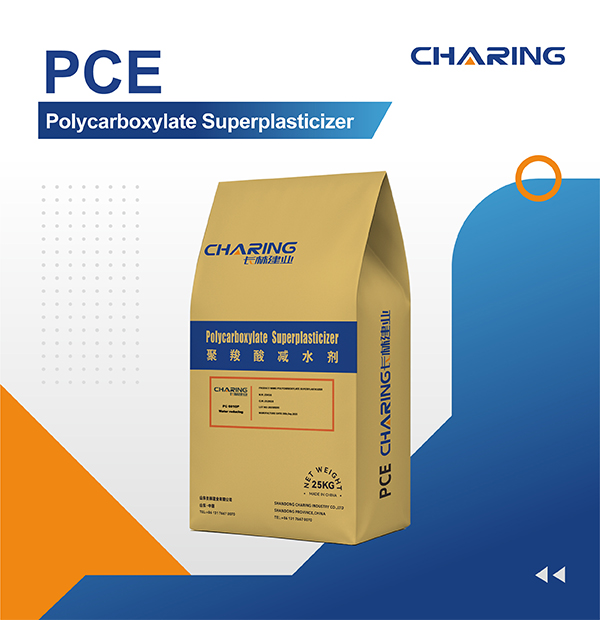
| PC 3010 | PCE powder | Workability (optional) | JC/T 984, max 1.0 kg/t |
9. Frequently Asked Questions
What is the difference between JS and K11?
JS (GB/T 23445) is a waterproof coating — applied thin, forms a flexible film. K11 (JC/T 2090) is a waterproof slurry — applied thicker, more rigid. JS for floors where flexibility matters. K11 for walls where tile bonding matters.
Can I tile directly over waterproofing?
On rigid waterproofing (JC/T 984, K11 Type I): yes, with C1 adhesive for ceramic, C2 for porcelain. On flexible waterproofing (JS-I, JS-II, K11 Type II): no — apply a 3-5 mm cement screed first, or use C2S1 adhesive.
Which waterproofing is best for a bathroom?
Walls: JC/T 984 polymer waterproof mortar or K11 Type I. Floor: JS Type II. The wall waterproofing must support tiles; the floor waterproofing must be flexible enough to handle thermal changes and minor settlement.
Why did my tiles fall off the bathroom wall?
The most common cause: flexible JS waterproofing was used on the wall under C1 adhesive. The membrane flexes, the adhesive cracks, the tiles fall. For bathroom walls, always use a rigid system (JC/T 984 or K11 Type I).
What thickness should waterproofing be?
JS coating: minimum 1.5 mm dry film (2-3 coats, 0.5-0.8 mm each). Polymer mortar: 5-8 mm. CCCW: slurry coat, approximately 1.0-1.5 kg/m² powder consumption. Too thin and the film is discontinuous; too thick and it cracks during curing.
How long to wait before tiling over waterproofing?
JC/T 984 and K11: 24-48 hours at 20°C, fully cured in 7 days. JS: 24 hours between coats, 3-7 days full cure before tiling. CCCW: keep damp for 7 days, tiling after 14 days. Cold weather (<10°C) doubles all curing times.
What RDP is best for waterproofing?
For rigid systems (JC/T 984): RD 8080F (Tg -8°C) at 15-30 kg/t, or RD W8050 (Tg -11°C, hydrophobic) for enhanced water resistance. For flexible systems (JS): use RD W8050 at 30-50 kg/t. The hydrophobic treatment in RD W8050 prevents the polymer film from softening under prolonged water exposure.
Why does CCCW need wet curing?
The crystalline growth reaction requires water. If CCCW dries out within the first 7 days, the active chemicals never fully react and the waterproofing effect is lost. Keep the surface damp — spray with water 2-3 times daily for 7 days.
Can I use the same waterproofing for interior and exterior walls?
Yes for JC/T 984 — it is inherently weather-resistant. JS coatings (especially Type I with >200% elongation) are not UV-stable and should not be left exposed. If JS is used externally, cover with render or tiles within 7 days.
Note: All waterproofing systems must comply with GB 55030-2022 (General Code for Waterproofing of Buildings and Municipal Engineering), which sets mandatory waterproofing design working life requirements. System selection must consider both the standard for the material and the code for the structure.
For technical inquiries: info@sdcharing.com
Shandong Charing Industry Co., Ltd.

E-mail: sdcharing@sdcharing.com
Phone: +86 131 7667 0070
WhatsApp: 8615066133527
Add.: No.605-606,NO1 BUILDING,WANGYUE ZHIGU INDUSTRY PARK,NO.1919 WANGYUE ROAD, SHIZHONG AREA,JINAN CITY, SHANDONG PROVINCE,CHINA