- Home
- Products +
- Industries +
- About Us +
- News
- Contact Us

- Home
- Products
- Industries
- About Us
- News
- Contact Us

CHARING manufactures HPMC, RDP, and PCE for dry-mix mortar and concrete — supplying high quality products across Southeast Asia, the Middle East, South America and Africa for over a decade. We share what we know.
1. What the Thickener Must Do
In detergent and personal care, the cellulose ether is the thickener and stabiliser. It must:
Thicken the liquid so it pours correctly (not water-thin, not gel)
Be transparent — the consumer wants a clear or clean-looking product, not cloudy
Resist microbes — without anti-mold protection, the bottle rots in storage
Tolerate salt and surfactants — detergent formulations are hostile to many polymers
Stay stable — viscosity must not drop over time on the shelf
2. CHARING Detergent Grades
| Grade | Type | Viscosity | Transparency | Transparency |
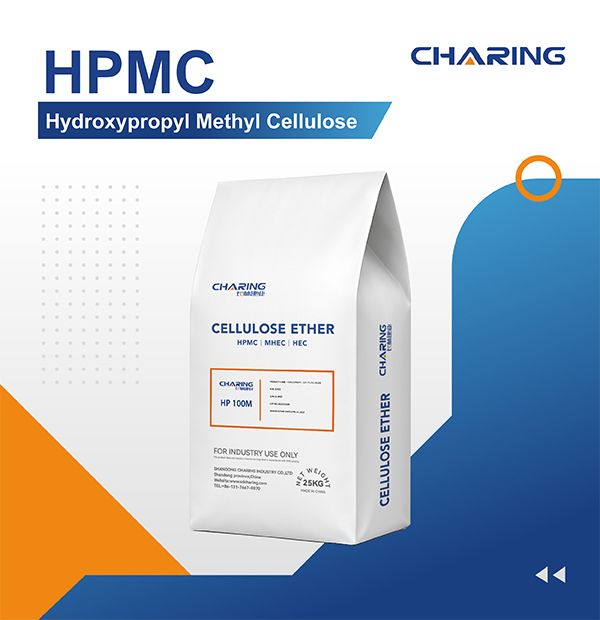
| DTP 200MS | HPMC, surface-treated | 160,000–240,000 mPa·s (2%) | ≥90% (1%) | Strong thickener, disperses in 30 sec |
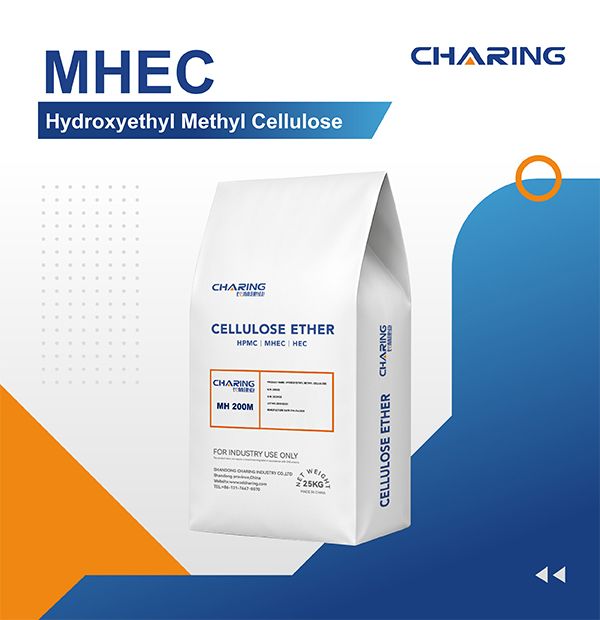
| DTE 200MS | MHEC, surface-treated | 160,000–240,000 mPa·s (2%) | ≥90% (1%) | High substitution, excellent thickening |
| HEDT 100000 | HEC, detergent-grade | 80,000–120,000 cps (2%) | ≥94% (1%) | Detergent-specialised HEC |
| HP 200MS | HPMC, surface-treated | ~200,000 mPa·s | — | Economic alternative |
| MH 200MS | MHEC, surface-treated | ~200,000 mPa·s | — | Heat-resistant alternative |
Why "MS" Suffix Matters in Detergent
Surface-treated grades disperse in cold water within 30 seconds, forming a transparent solution without lumps. In a detergent factory, mixing time is short — undissolved lumps mean rejected batches.
Non-treated grades take 10+ minutes. Do not use them in detergent.
HEC for High-Clarity Detergent
For premium clear detergents — especially hand wash, shampoo, and other personal care — HEDT 100000 is the choice. Its 1% transparency ≥94% gives the crystal-clear appearance consumers expect.
3. By Application
| Product | Recommended grade | Dosage |
| Liquid laundry detergent | DTP 200MS / HEDT 100000 | 0.3–0.8% |
| Dishwashing liquid | DTP 200MS | 0.3–0.5% |
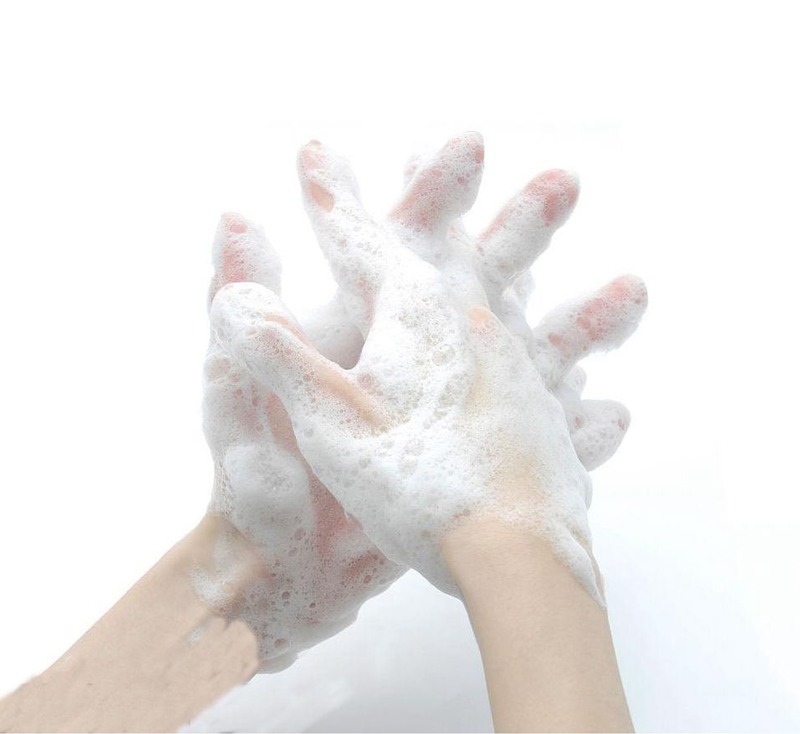
| Hand wash / body wash | HEDT 100000 (for clarity) | 0.2–0.5% |
| Shampoo | HEDT 100000 | 0.5–1.0% |
| Toothpaste | HEC / MHEC (high viscosity) | 0.5–1.5% |
| Hand sanitiser gel | DTE 200MS | 0.5–1.0% |
4. The Detergent Environment Is Hostile
Detergents contain surfactants, salts, and pH adjusters. Many polymers break down in this environment. HPMC, MHEC, and HEC survive because they are non-ionic — they do not react with anionic or cationic surfactants.
But three things still threaten them:
Microbial attack. Bacteria and fungi digest cellulose. Use anti-mold additive or specify a treated grade.
Salt. Sodium chloride and sodium sulfate push viscosity down. Test with your salt level before scaling up.
Shear. High-shear mixing breaks the polymer chains. Add the thickener last, at low shear.
5. Common Mistakes
1. Using non-treated grade. Lumps form, product is cloudy, batches rejected. Always use MS suffix in detergent.
2. Too high dosage. More thickener does not always help. Over 1.5% makes the liquid gel-like, hard to pour. Match dosage to the desired viscosity.
3. Wrong HEC grade for clarity. Industrial-grade HEC is cloudy. Detergent grade (HEDT 100000) has ≥94% transparency at 1%. The difference is visible to the consumer.
4. No anti-mold. Without it, the bottle rots in 2–3 months in tropical storage. CHARING detergent grades are designed for shelf stability, but adding a preservative belt-and-braces is wise.
For technical support, free samples, or help with your detergent formulation:
Shandong Charing Industry Co., Ltd.
Email: info@sdcharing.com
Website: www.sdcharing.com

E-mail: sdcharing@sdcharing.com
Phone: +86 131 7667 0070
WhatsApp: +8615066133527
Add.: No.605-606,NO1 BUILDING,WANGYUE ZHIGU INDUSTRY PARK,NO.1919 WANGYUE ROAD, SHIZHONG AREA,JINAN CITY, SHANDONG PROVINCE,CHINA