- Home
- Products +
- Industries +
- About Us +
- News
- Contact Us



- Home
- Products
- Industries
- About Us
- News
- Contact Us

May. 22, 2026
The choice depends mainly on your requirements for transparency, salt tolerance, anti-redeposition performance, and cost.
Below is a comparison of these four thickeners in personal care and household cleaning products:
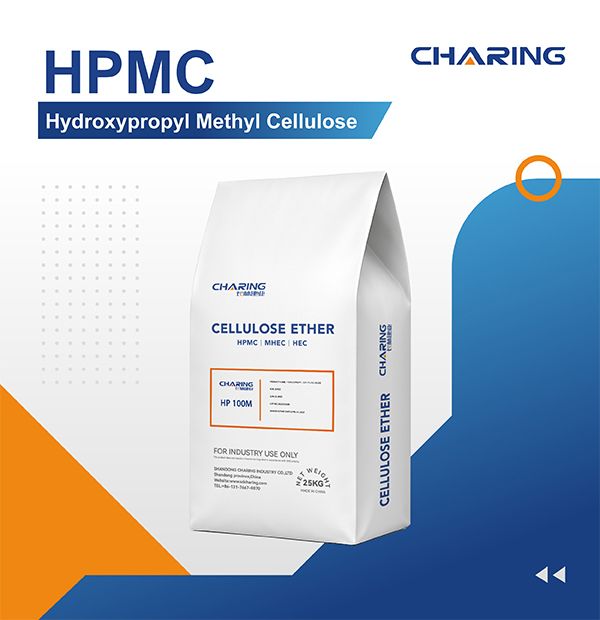
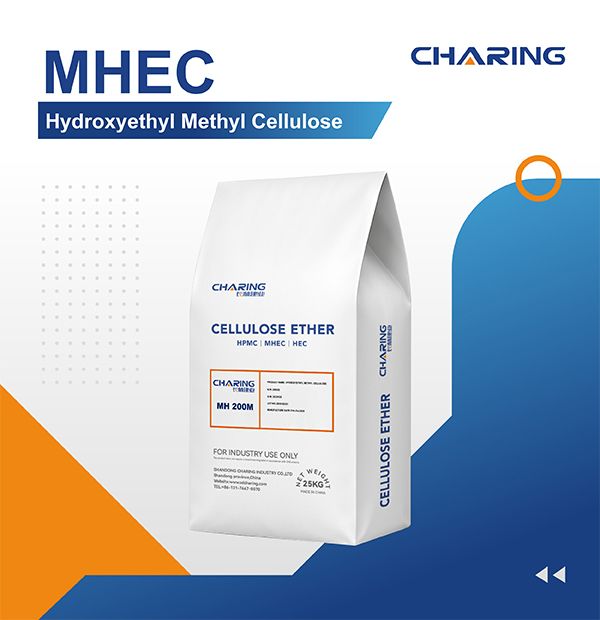
| Property | HEC (Hydroxyethyl Cellulose) | MHEC (Methyl Hydroxyethyl Cellulose) | HPMC (Hydroxypropyl Methylcellulose) | CMC (Carboxymethyl Cellulose) |
| Key Feature | Best overall performance Non-ionic, easy to dissolve, high transparency, excellent salt tolerance, best compatibility with surfactants and electrolytes. | Balance of performance & cost Good thickening and stability, moderate salt tolerance, high thickening efficiency in surfactant systems. | Cost-effective Good thickening and stability, cost-effective in low-surfactant formulations, but relatively weaker salt tolerance. | Unique function Anionic; in addition to thickening, its core advantage is anti-redeposition — keeps white clothes whiter and colors brighter. |
| Appearance | High transparency — forms clear solutions, suitable for transparent or translucent products. | Good transparency — produces clear solutions. | Good transparency — high-clarity grades available. | Relatively low transparency — may cause hazy solutions. |
| Stability | Excellent Stable in pH 2–12, unaffected by high electrolyte concentrations, no precipitation at high temperatures. | Good Stable in pH 3–11. | Good Stable over a wide pH range. | Poor Unstable in acidic or high-electrolyte solutions — may precipitate or lose effectiveness. |
| Main Applications | Products demanding high quality and high transparency, such as clear hand soaps, body washes, shampoos. | General-purpose liquid detergents where both performance and cost matter. | Cost-sensitive, low-surfactant laundry detergents, dish soaps, etc. | Laundry detergents (liquids & powders), mainly for anti-redeposition. |
"Salt tolerance" here refers to the ability to maintain viscosity when salt (NaCl) is added as a thickener. "Anti-redeposition" means preventing loosened dirt from reattaching to fabrics.
You can decide based on product positioning and formulation:
For high quality & high transparency → HEC is preferred.It costs slightly more but offers the best transparency, stability, and skin feel. Especially suitable for formulations with high electrolyte concentrations or special surfactants.
For balanced performance & cost → Consider MHEC. Its performance sits between HEC and HPMC, providing good thickening and stability at a controlled cost.
For cost-sensitive, general-purpose laundry detergents → Consider HPMC.It thickens low-surfactant formulations effectively, helping control costs. However, be careful if your formulation contains high levels of salt or ionic surfactants, as HPMC may lose viscosity.
To highlight "color protection" or "no dye transfer" claims → CMC is a must.Its anti-redeposition function is irreplaceable and enhances the washing performance of laundry detergents. Many laundry detergents blend CMC with other thickeners to combine benefits.

E-mail: sdcharing@sdcharing.com
Phone: +86 131 7667 0070
WhatsApp: 8615066133527
Add.: No.605-606,NO1 BUILDING,WANGYUE ZHIGU INDUSTRY PARK,NO.1919 WANGYUE ROAD, SHIZHONG AREA,JINAN CITY, SHANDONG PROVINCE,CHINA