- Home
- Products +
- Industries +
- About Us +
- News
- Contact Us

- Home
- Products
- Industries
- About Us
- News
- Contact Us
CHARING manufactures HPMC, RDP, and PCE for dry-mix mortar and concrete — supplying high quality products across Southeast Asia, the Middle East, South America and Africa for over a decade. We share what we know.
1. What Is Wall Putty?
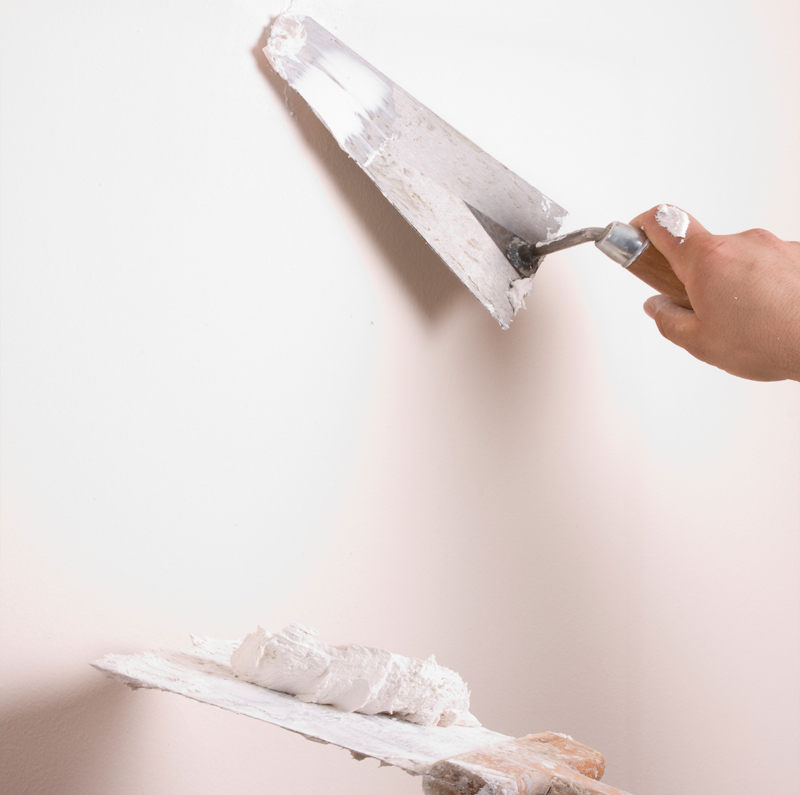
Wall putty is a thin finishing layer applied to walls before painting. It fills small holes, smooths the surface, and gives the paint a flat, even base.
It is applied in thin coats (0.5–1.5 mm each). Because the layer is so thin, water retention is critical — the putty loses moisture to the wall and air within minutes if the HPMC is wrong.
2. Two Standards, Two Products
Wall putty is not one product. Two standards define two different materials:
| Standard | Product | Application | Key Difference |
| JG/T 298 | Interior putty | Indoor, under paint/wallpaper | No cement, no weather requirement |
| JG/T 157 | Exterior putty | Outdoor, exposed to weather | Cement + RDP + hydrophobic agent |
Performance Requirements
| Property | Interior (JG/T 298) | Exterior (JG/T 157) |
| Bond strength (standard) | ≥0.30 MPa | ≥0.60 MPa |
| Bond strength after water immersion | ≥0.15 MPa | ≥0.40 MPa |
| Freeze-thaw (5 cycles) | Not required | ≥0.40 MPa |
| Transverse deformation | Not required | ≥2.0 mm |
Exterior putty needs double the bond strength, plus freeze-thaw and flexibility. That is why it has cement, more RDP, and a hydrophobic agent — things a dry-region interior putty can skip.
3. Interior Putty — Two Types by Climate
Interior putty is not one product. It splits into two types, and the climate decides which one you use. This is the most important distinction in wall putty — get it wrong and the putty fails.
Dry Regions — Quick Lime Putty (No Cement)
In dry regions (northern China, inland areas), quick lime (CaO) is the binder — no cement. Quick lime reacts with water to form calcium hydroxide, which then carbonates over time into a hard, smooth surface. It is white, smooth, and cheap.
| Material | Amount (kg/t) | Function |
| Heavy calcium carbonate (200 mesh) | 700 | Filler — bulk + smoothness |
| Quick lime (CaO) | 300 | Binder — cohesion and hardness |
| RDP (RD 7003M) | 4–25 | Bond strength (higher for wet areas) |
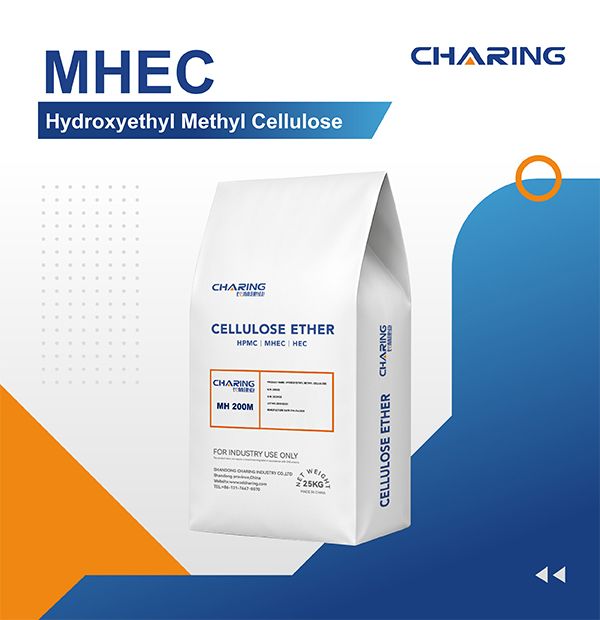
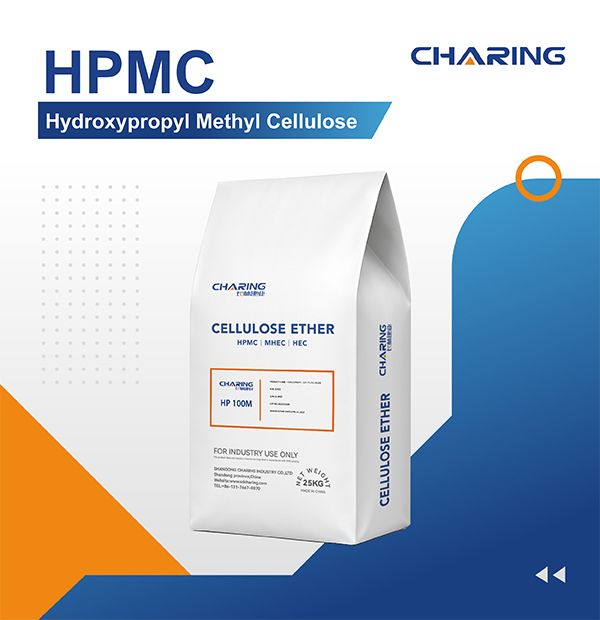
| HPMC (HP 100M / 150M / 200M) | 2–4 | Water retention + workability |
Water: 30–35%
Humid Regions — White Cement Putty
In humid regions — southern China south of the Yangtze River, Southeast Asia, coastal tropics — quick lime putty absorbs ambient moisture and loses strength. It fails over time. Do not use quick lime putty there.
Use a white cement-based putty instead. White cement is the binder, quartz sand gives dimensional stability, and a higher RDP dose gives water resistance.
| Material | Amount (kg/t) | Function |
| White cement 42.5 | 300 | Binder — primary strength |
| Quartz sand / powder | 200 | Dimensional stability |
| Heavy calcium carbonate (200 mesh) | 400–500 | Filler — smoothness |
| RDP (RD 7003M) | 15–25 | Bond + water resistance |
| HPMC (HP 100M / 150M / 200M) | 2–4 | Water retention + workability |
Water: 25–30%
The humid-region interior formula is essentially the exterior putty formula, used indoors. Quick lime cannot survive moisture — white cement is the only safe binder.
4. Exterior Putty Formula (JG/T 157)
| Material | Amount (kg/t) | Function |
| White/grey cement 42.5 | 300 | Binder — primary strength |
| Quick lime | 100 | Secondary binder + workability |
| Quartz powder / sand | 200 | Dimensional stability |
| Heavy calcium carbonate (300 mesh) | 400 | Filler — surface quality |
| RDP (RD 7003M) | 15 | Bond + flexibility |
| Hydrophobic agent (S300 or S500) | 1–3 | Water repellency |
| HPMC (HP 100M / 150M / 200M) | 2–4 | Water retention + workability |
| Wood fiber | 2 | Crack resistance |
Water: 28–32%
What Changes from Interior
Cement becomes the primary binder — 300 kg/t gives the strength and weather resistance exterior walls need.
Quartz sand adds dimensional stability — 200 kg/t reduces shrinkage and resists thermal cycling. A wall in summer sun can hit 60–70°C.
Hydrophobic agent is essential — without S300/S500, rain soaks through the paint into the putty, causing freeze-thaw damage and delamination in winter.
Wood fiber controls cracks — 2 kg/t bridges micro-cracks as they form.
5. Climate Adjustments
| Climate | HPMC Grade | Notes |
| Temperate (15–40°C) | HP 100M or HP 150M | Standard |
| Tropical (>35°C) | HP 200M | High viscosity compensates fast evaporation |
6. CHARING Product Recommendations
| Product | Type | Role |
| HP 100M | HPMC, 80,000–120,000 mPa·s | Water retention + workability, temperate |
| HP 150M | HPMC, 120,000–170,000 mPa·s | Higher water retention, warm climate |
| HP 200M | HPMC, 170,000–220,000 mPa·s | Maximum water retention, tropical |
| RD 7003M | RDP, Tg 3°C | Semi-flexible bond + water resistance |
| S300 | Hydrophobic powder | Water repellency, better finish |
| S500 | Hydrophobic powder | Enhanced repellency, coastal areas |
7. Common Problems and Fixes
| Problem | Cause | Fix |
| Cracks after drying | Water lost too fast, HPMC too low | Raise HPMC to 3–4 kg/t |
| Powders / chalks | Cement didn't finish hydrating | Raise HPMC, check substrate primer |
| Peels in damp areas | No RDP, no water resistance | Add RDP 15–25 kg/t + S300/S500 |
| Hard to trowel | HPMC viscosity too high | Use HP 60M or cut dosage |
| Exterior fails in one winter | No hydrophobic agent, RDP too low | Add S300/S500, raise RDP and cement |
8. Common Mistakes to Avoid
1. Using one formula for both interior and exterior. They are two different products. Interior = quick lime + calcium carbonate, no cement. Exterior = cement + quartz sand + hydrophobic agent. One formula cannot do both jobs.
2. Using quick-lime putty in humid regions. Quick-lime putty works only in dry regions. In humid climates — southern China south of the Yangtze River, Southeast Asia, coastal tropics — it absorbs moisture and loses strength. There you must use a white cement-based putty. Dry region = quick lime, humid region = white cement. Do not swap them.
3. Skipping the hydrophobic agent outside. Without it, the first winter's freeze-thaw separates the putty from the wall.
4. Using too little RDP. RDP gives the putty water resistance. Below 12 kg/t in wet areas, the putty softens and peels.
5. Applying too thick. Two thin coats always beat one thick coat. Max 3 mm interior, 3–5 mm exterior.
For technical support, free samples, or help with your putty formula:
Shandong Charing Industry Co., Ltd.
Email: info@sdcharing.com
Website: www.sdcharing.com

E-mail: sdcharing@sdcharing.com
Phone: +86 131 7667 0070
WhatsApp: +8615066133527
Add.: No.605-606,NO1 BUILDING,WANGYUE ZHIGU INDUSTRY PARK,NO.1919 WANGYUE ROAD, SHIZHONG AREA,JINAN CITY, SHANDONG PROVINCE,CHINA