- Home
- Products +
- Industries +
- About Us +
- News
- Contact Us

- Home
- Products
- Industries
- About Us
- News
- Contact Us
Oct. 23, 2026
Concrete Admixture Technical Guide · No. 28
Self-compacting concrete (SCC) is a highly flowable concrete that settles into place and fills the formwork under its own weight — no vibration needed. It achieves this with a low water-binder ratio, a high paste volume, and a strong dose of polycarboxylate superplasticizer (PCE). This guide explains what SCC is, how it is tested, and why the admixture is the part that makes it work.
Ordinary concrete must be vibrated to push out trapped air and fill every corner of the form. SCC removes that step: it is designed to flow, pass through congested reinforcement, and fill the formwork by gravity alone.
| Ordinary Concrete | Self-Compacting Concrete | |
| Vibration | Required | Not required |
| Flow | Low to medium | High |
| Water-binder ratio | 0.45–0.55 typical | 0.30–0.40 |
| Paste volume | Lower | Higher (38–42%) |
The payoff is large: no vibration means faster placement, fewer workers, no noise, and clean surfaces even in heavily reinforced sections where a vibrator cannot reach.
SCC is judged on three properties at once — and they pull against each other, which is what makes it hard to design.
| Property | What It Means |
| Filling ability | Flows and fills the form under its own weight |
| Passing ability | Flows through tight, congested reinforcement without blocking |
| Segregation resistance | Stays uniform — no water or aggregate separating while it flows |
The difficult part is the balance: a mix that flows freely tends to segregate. SCC needs enough flow to fill, but enough cohesion to stay uniform. That balance comes from the mix design and the admixture.
SCC has its own set of fresh-concrete tests. Each one checks a different property.
| Test | Standard | What It Checks | Target |
| Slump Flow | EN 12350-8 | Filling ability (spread diameter) | 550–850 mm (SF1 / SF2 / SF3) |
| T500 Time | EN 12350-8 | Viscosity (time to 500 mm spread) | 2–5 s |
| V-Funnel | EN 12350-9 | Flowability and viscosity | 6–12 s typical |
| L-Box | EN 12350-10 | Passing ability through bars | H2/H1 ≥ 0.80 |
| J-Ring | EN 12350-12 | Passing ability around rebar | Step ≤ 10 mm |
The three slump-flow classes are the usual starting point:
| Class | Slump Flow | Typical Use |
| SF1 | 550–650 mm | Thin walls, vertical sections |
| SF2 | 660–750 mm | Most normal applications |
| SF3 | 760–850 mm | Congested reinforcement, complex shapes |
SCC is not ordinary concrete with extra water. Its mix design starts from different principles.
| Parameter | Typical Value |
| Water-binder ratio | 0.30–0.40 |
| Powder (cement + SCM + filler) | 400–600 kg/m³ |
| Paste volume | 38–42% |
| Coarse aggregate volume | 28–35% (lower than normal) |
| Maximum aggregate size | ≤ 20 mm (often 10–16 mm) |
| PCE dosage | 0.5–1.2% of cement weight |
The three design rules behind these numbers:
1.High powder, high paste. A thick, rich paste carries the aggregate so it can flow without touching and blocking.
2.Low coarse aggregate, small size. Fewer and smaller stones mean fewer chances to jam in the reinforcement.
3.Low water-binder ratio. Less water keeps the paste cohesive and strong — and this is only possible because the PCE provides the flow.
This is the crux of SCC. The low water-binder ratio makes the paste strong, but it also makes the mix stiff — and only a high-range water reducer can restore flow without adding water back.
A polycarboxylate superplasticizer (PCE) is the admixture of choice for SCC, for three reasons:
| Property | Why It Matters for SCC |
| High water reduction (25–40%) | Achieves the low w/b ratio and the high flow at once |
| Long slump retention (60–90 min) | Keeps flow stable through long transport to the pour |
| Strong dispersion | Gives the smooth, controlled flow SCC needs |
Older reducers fall short here. Naphthalene-based reducers give only 20–30% water reduction and 20–40 minutes of retention, and melamine-based ones give less still. For the high flow of SCC, PCE is the standard.
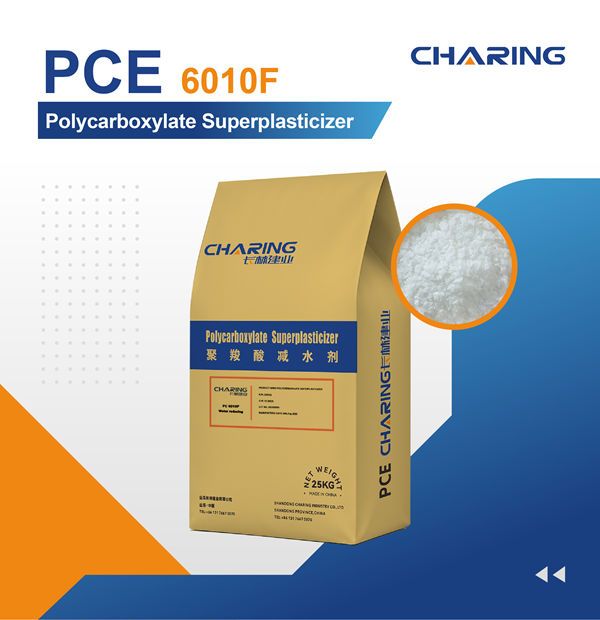
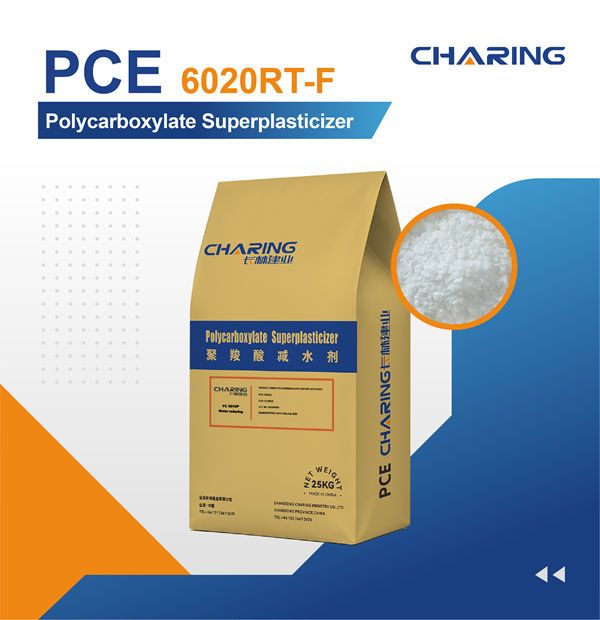
Our PC 6010 provides the high water reduction SCC needs, and PC 6020RT adds long slump retention when the SCC has to travel far or be placed slowly. When the paste is at risk of segregation, a viscosity-modifying admixture (VMA) is added alongside to keep the mix uniform.
A viscosity-modifying admixture (VMA) is the second admixture in many SCC mixes. Where the PCE makes the concrete flow, the VMA makes the paste thicker and more cohesive, so the aggregate does not settle out while it moves. It is the stabiliser that works alongside the PCE.
There is no single VMA — the choice depends on the mix and the cost. The common types are:
| VMA Type | What It Is | Notes |
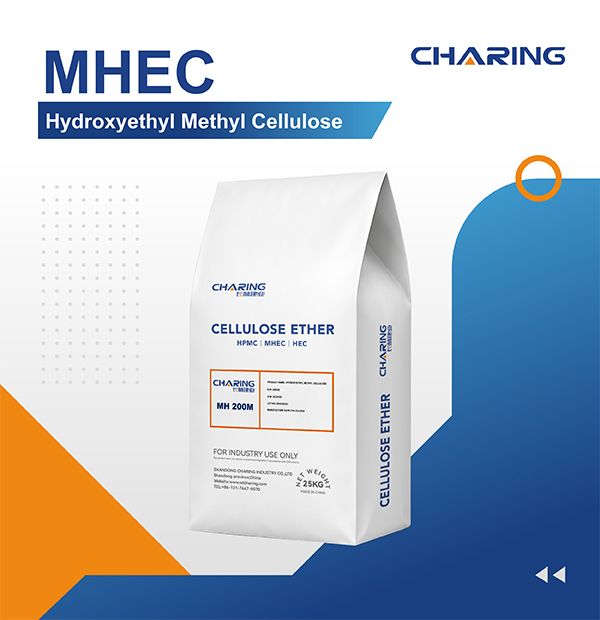
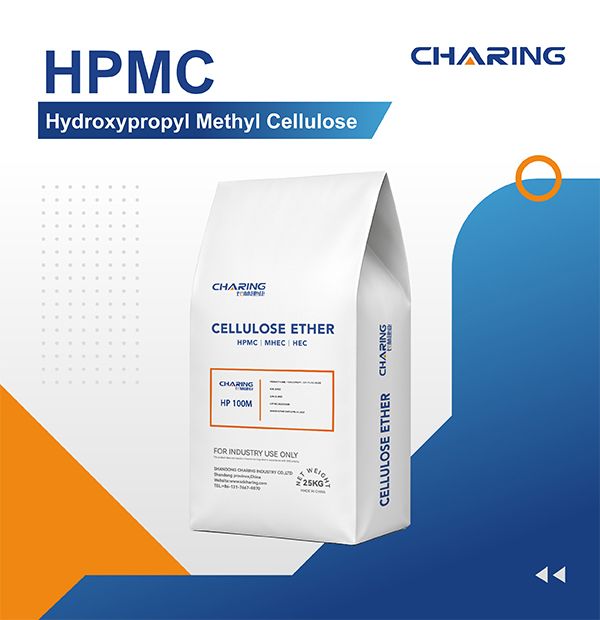
| Cellulose ether (HPMC) | Low-viscosity hydroxypropyl methylcellulose | Common in grouts and self-leveling compounds |
| Polyacrylamide (PAM) | Synthetic water-soluble polymer | A widely used alternative |
| Biopolymer gum | Welan gum, xanthan gum | Very effective, but the price is higher |
There is no fixed rule for choosing one. The right VMA and its dose depend on the mix design, the cement and the budget, and many compounders adjust their own blends. As with the PCE, always confirm the choice and the dose with a trial mix.
Here is a typical SCC mix at around SF2, to show how the pieces fit together (values are indicative — always confirm with a trial mix):
| Ingredient | Amount (kg/m³) |
| Cement | 380 |
| Fly ash | 120 |
| Fine aggregate (sand) | 900 |
| Coarse aggregate (10 mm) | 750 |
| Water | ~170 |
| PCE superplasticizer | ~0.8% of powder |
Notice the pattern: high powder (500 kg/m³ of cement + fly ash), small aggregate (10 mm), low water — and the PCE doing the work of making it all flow.
| Problem | Likely Cause | What to Do |
| Segregation or bleeding | PCE over-dosed, or paste too lean | Reduce PCE, add VMA, raise powder |
| Surface bubbles or honeycomb | Low viscosity, air not escaping | Add VMA, check defoamer |
| Blocking in the rebar | Coarse aggregate too large or too much | Smaller aggregate, higher paste |
| Concrete stays plastic too long | PCE over-dosed | Reduce PCE, re-test |
Over-dosing the PCE is the most common trap: it causes bleeding, segregation and delayed setting. Start low, increase in small steps, and stop when the slump flow stops improving — that point is the efficient dose.
Does self-compacting concrete need vibration?
No. That is the whole point — it flows and fills the formwork under its own weight, so no vibration is needed.
Why is the PCE dosage higher in SCC than in normal concrete?
Because SCC needs a low water-binder ratio and high flow at the same time. That takes a strong dose of a high-range water reducer.
What is the right slump flow for SCC?
Typically 550–850 mm, split into SF1, SF2 and SF3 depending on the application. Most normal work uses SF2 (660–750 mm).
How do I stop SCC from segregating?
Add a viscosity-modifying admixture (VMA) and make sure the powder content is high enough. If the PCE is over-dosed, reduce it.
To understand why less water makes stronger concrete, read Why Does Less Water Make Concrete Stronger? (The Water-Cement Ratio).
To learn how a high slump-retention PCE keeps flow over long transport, read What Is a High Slump-Retention Polycarboxylate Superplasticizer (PCE)?.
For a complete overview of every concrete admixture and when to use each, read Concrete Admixtures: The Complete Guide.

E-mail: sdcharing@sdcharing.com
Phone: +86 131 7667 0070
WhatsApp: +8615066133527
Add.: No.605-606,NO1 BUILDING,WANGYUE ZHIGU INDUSTRY PARK,NO.1919 WANGYUE ROAD, SHIZHONG AREA,JINAN CITY, SHANDONG PROVINCE,CHINA