- Home
- Products +
- Industries +
- About Us +
- News
- Contact Us

- Home
- Products
- Industries
- About Us
- News
- Contact Us
Sep. 15, 2026
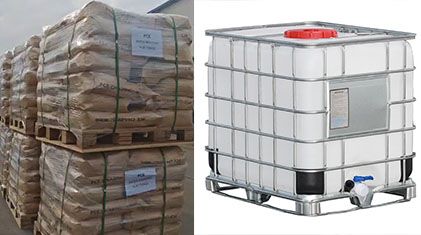
Solid vs Liquid Polycarboxylate Superplasticizer (PCE): Dosage, Storage and Freight Compared Solid vs liquid PCE: they are the same polymer, and the only difference is water. That difference moves freight cost, shelf life and dosing accuracy. Liquid mother liquor is 40-55% active and ready to pump. Solid flake is 97-100% active: about 60% more active PCE per container, no hydrolysis, no bacteria, no freezing, 12 months storage.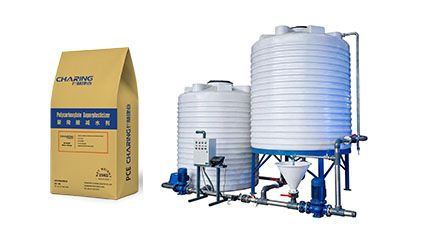
Sep. 15, 2026
How to Dissolve Polycarboxylate Superplasticizer (PCE) Flakes and Compound Your Own Liquid Admixture Dissolving PCE flake needs only water, a tank, a pump and a stirrer - no heat, no high pressure. This guide walks through the five steps to make your own liquid admixture on site, how to choose the concentration, how to compound retarders and defoamers in the right order, and a real 15% active example from Saudi Arabia.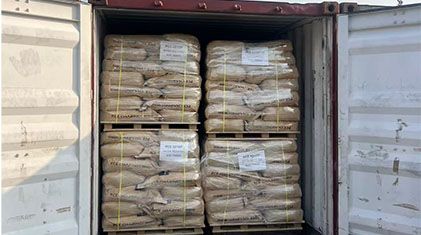
Sep. 14, 2026
Bulk Polymerization vs Spray Drying: Why Flake Polycarboxylate Superplasticizer (PCE) Keeps Full Performance Not all solid PCE is the same. Flake PCE is made by bulk polymerization - monomers react with no water and no solvent, then flaked at low temperature. Spray-dried powder passes through hot air, which can damage the polyether side chains and lower active content. This guide compares both routes and explains why flake keeps full performance.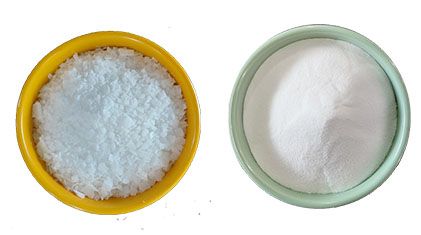
Sep. 14, 2026
What Is Solid (Flake / Tablet) Polycarboxylate Superplasticizer (PCE)? Solid polycarboxylate superplasticizer (PCE) is a dry, flake-shaped water reducer with 97-100% active content. Dissolve it in water and it becomes a liquid admixture. This guide explains how comb-shaped PCE disperses cement, why bulk-polymerized flake keeps full performance while spray-dried powder loses it, and how to dose and apply it.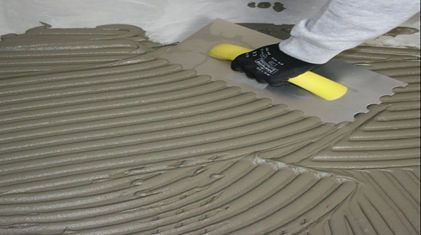
Sep. 07, 2026
Tile Adhesive Upgrade: From C1 to C2S1 (and What It Costs) Every tile adhesive upgrade is buying more polymer. C0 to C1: RDP 12-18 kg/t plus starch ether. C1 to C2S1: RDP 30-40 kg/t in flexible grade RD 8080F, silica fume 15-40 kg/t, remove inert filler. C2TES1 for tiles over 1200 mm: RDP 45-55 kg/t. HPMC stays 2-3 kg/t and cannot replace RDP. Cost ladder: C0 1x to C2TES1 6x.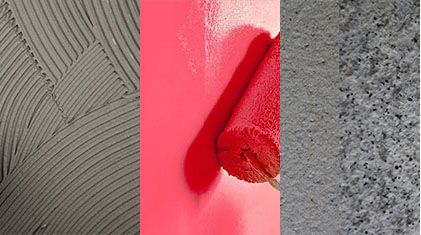
Sep. 01, 2026
HPMC vs MHEC vs HEC: Which Cellulose Ether for Which Mortar? HPMC, MHEC and HEC are all cellulose ethers, but they are not interchangeable. HPMC holds water best and suits most cement mortar; MHEC gels higher and wins in hot weather; HEC holds water poorly and belongs in paint and stone paint. This guide compares gel temperature, water retention and cost so you pick the right one.
E-mail: sdcharing@sdcharing.com
Phone: +86 131 7667 0070
WhatsApp: +8615066133527
Add.: No.605-606,NO1 BUILDING,WANGYUE ZHIGU INDUSTRY PARK,NO.1919 WANGYUE ROAD, SHIZHONG AREA,JINAN CITY, SHANDONG PROVINCE,CHINA